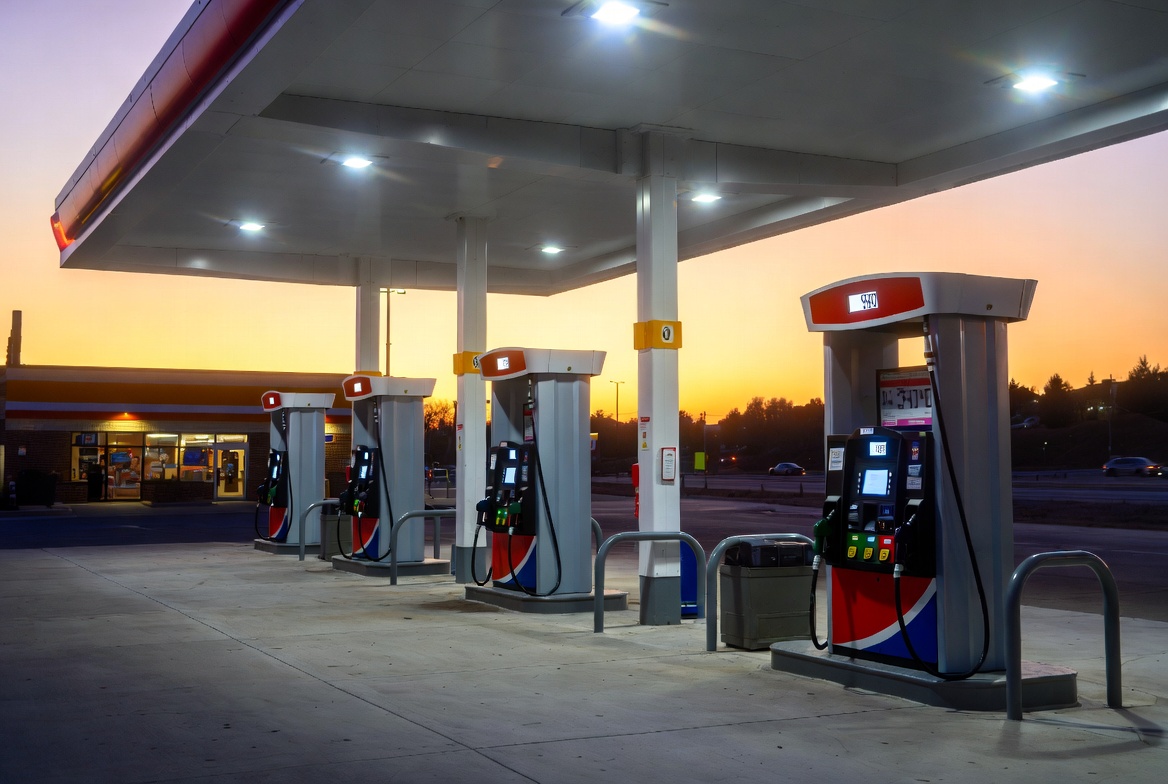

Gasoline prices have now declined for six straight weeks, offering some relief at the pump. But as Americans gear up for the July 4 holiday weekend, the national average is still projected to hover around $3.75 per gallon — the second-highest price on record for Independence Day, trailing only the $4.80 peak during the 2022 energy crisis.
That’s roughly 65 cents higher than last year’s July 4 average and nearly a dollar above where prices stood at the beginning of 2026. While crude oil markets have cooled significantly, the benefits are slow to reach retail stations — and a combination of tight inventories, near-maximum refinery runs, and seasonal demand is keeping summer fill-ups expensive.
Crude Oil Prices: Down, But Not Forgotten
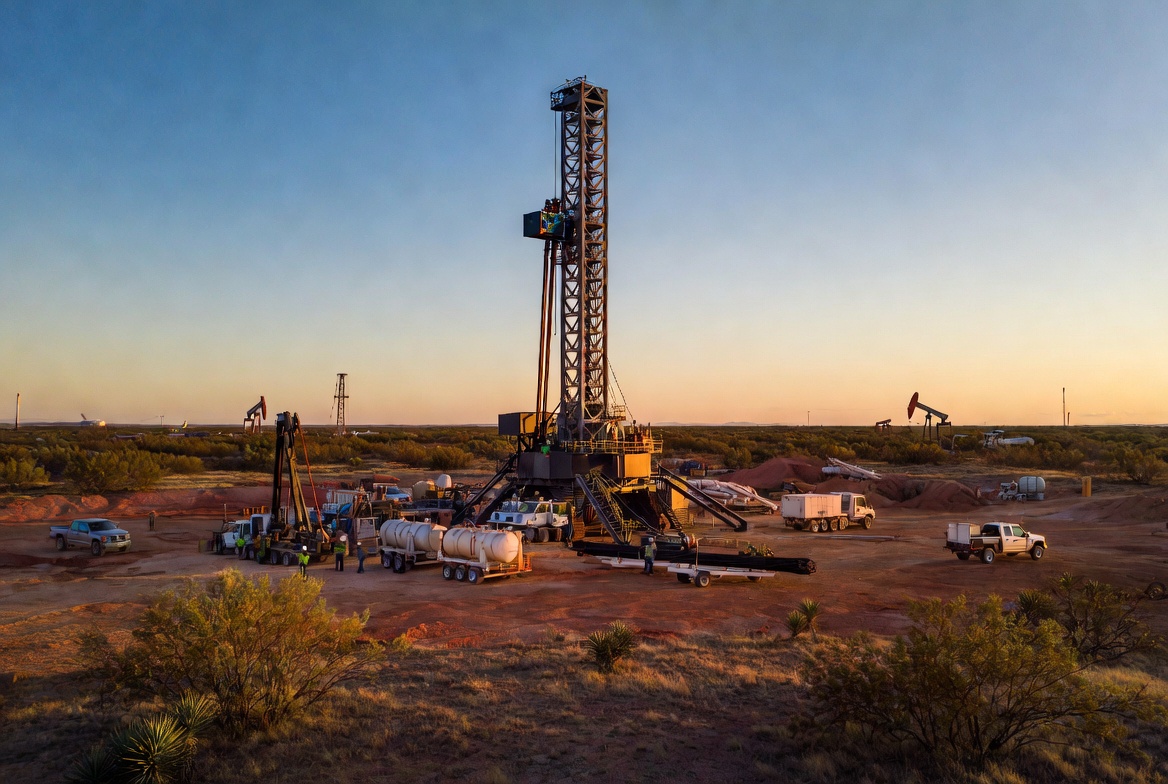
West Texas Intermediate (WTI) crude oil is currently trading around $72 per barrel (August 2026 contract), having slipped from mid-June levels near $76–79 before a modest rebound.
Brent crude has followed a similar path, briefly touching the low $70s before stabilizing near $75 amid returning Middle Eastern supply. Saudi Arabia has restarted loadings at Ras Tanura, Iraqi exports are ramping up, and tanker traffic through the Strait of Hormuz has improved — though it remains below pre-disruption levels, with lingering geopolitical uncertainties (including recent incidents near Oman and questions over Iran’s traffic management).
These lower crude prices are the main driver behind falling wholesale gasoline costs. However, retail prices move much more slowly. Oil can lose $20 per barrel in weeks; gas stations adjust over a longer lag.
Refineries Running Near Full Tilt
U.S. refineries are operating at 96.1% utilization for the week ending June 19, 2026 — among the highest seasonal levels in years.
They processed an average of 17.1 million barrels per day of crude, with gasoline production at 9.5 million b/d. Refiners have been pushing hard to meet strong summer driving demand while taking advantage of solid margins, often deferring maintenance. This high run rate helps replenish product supplies but also means the system has limited spare capacity if unexpected outages occur.
Tight Crude Inventories at Key Hubs
Commercial U.S. crude oil inventories fell sharply by 6.1 million barrels to 412.1 million barrels in the latest week — their lowest since January 2025.
At the critical Cushing, Oklahoma, delivery hub for WTI, stocks dropped another 1.077 million barrels to just 18.957 million barrels — the lowest level since October 2014 and perilously close to operational minimums (often cited around or below 20 million barrels, where pipeline and storage logistics can become strained).
Strategic Petroleum Reserve at Multi-Decade Lows
The U.S. Strategic Petroleum Reserve (SPR) now stands at approximately 331.2 million barrels as of mid-June — down significantly from recent weeks and at its lowest levels since the early 1980s (Reagan era).
While the SPR is primarily an emergency buffer rather than a day-to-day supply source, its depleted state removes a layer of market reassurance amid ongoing global supply uncertainties.
Why the Pump Still Feels Expensive
Several factors explain the disconnect between falling crude and stubbornly high retail gasoline prices:
Retail lag:
- Wholesale gasoline prices have dropped, but it takes time for the cheaper product to flow through the distribution chain to your local station.
- Tight product inventories earlier in the season and strong summer demand.
- Regional disparities: West Coast prices remain particularly elevated due to limited local refining capacity and logistics.
- Taxes and margins: Federal, state, and local taxes, plus retailer margins, add a floor to prices even when crude is cheaper.
- High refinery utilization: While helpful for supply, it leaves little buffer.
GasBuddy analysts project the national average will ease toward $3.75/gallon by July 4, with AAA reporting the current national average at approximately $3.92/gallon as of June 25.
Outlook for the Holiday Weekend and Beyond
Cheaper crude is gradually working its way to the pump, and rising gasoline and distillate inventories in recent weeks are positive signs. However, peak summer driving demand, combined with the structural tightness at Cushing and low SPR levels, suggests relief will be measured rather than dramatic.
Expect continued modest declines in the coming weeks — potentially bringing averages below $3.80 later in July — but a true return to sub-$3.50 levels will likely require sustained lower crude prices, stable geopolitics, and no major refinery disruptions.
For now, plan accordingly: your July 4 fill-up will still cost more than many hoped for at the start of the year.
- OilPrice.com original article: Gas Prices Are Falling. Your July 4 Fill-Up Still Won’t Feel Cheap (Published June 25, 2026)
oilprice.com
- EIA Weekly Petroleum Status Report (data for week ending June 19, 2026; released June 24, 2026): EIA WPSR
- YCharts – U.S. Refinery Utilization Rate: 96.1% for week of June 19, 2026
- EIA Cushing Crude Oil Stocks data: Cushing, Oklahoma Stocks
- Reuters via BOE Report on Cushing and crude stocks (June 24, 2026): U.S. crude stocks at Cushing hit near 12-year low
- AAA National Average Gas Prices: gasprices.aaa.com (as of June 25, 2026)
- CME Group / Oilprice.com WTI futures quotes
- Additional context from GasBuddy projections and market reports referenced in primary sources.
Data current as of June 25, 2026. Energy markets move quickly — always verify the latest figures from EIA, GasBuddy, or AAA for real-time pump prices.